Updated · View the original (2021)
Houston Real Estate Photography: What It Includes and What to Expect
If you are listing a home in the Houston area, the photography is not a finishing touch you add at the end. It is the first thing a buyer meets. Long before anyone drives out to Katy or clicks through to a downtown high-rise floor plan, they form an opinion from a grid of thumbnails on their phone. That single lead image decides whether the rest of the listing gets seen at all. Real estate photography exists to win that moment, and then to keep a buyer engaged once they open the listing.
What that work involves has changed a great deal. A listing gallery used to mean a dozen interior snapshots. Today it is a small production: still photography, aerial views, dusk imagery, an interactive walkthrough, video, a measured floor plan, and honest digital enhancement, chosen to fit the property. If you are new to hiring this out, or you have only ever booked basic photos, this is a plain guide to what modern real estate photography includes, what a shoot is actually like, what you get back, and what makes Houston-area work its own kind of challenge.
The reason it is worth understanding rather than defaulting to a phone is straightforward. Redfin found that homes between $200,000 and $1 million photographed with a professional camera sold for $3,400 to $11,200 more relative to their list price than comparable homes shot with amateur photos. The presentation is not cosmetic. It is part of the price.
The full menu: what real estate photography includes today
The word photography undersells the range of what a shoot can now capture. Think of it as a menu of media, not a single product. A modest home may need only a few items on it, while a luxury listing uses most of them. Here is what each piece is and the job it does.
Interior and exterior stills
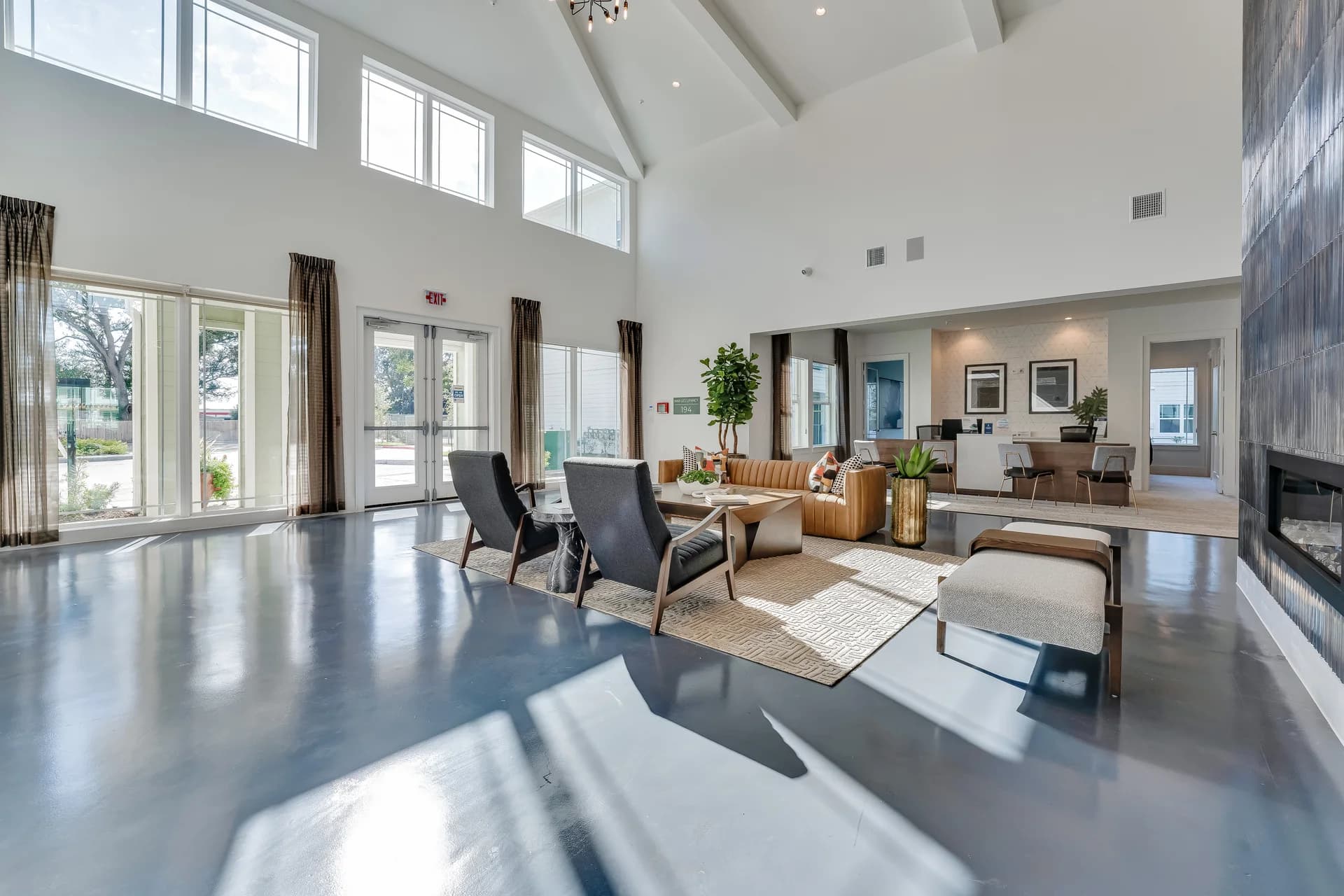
The foundation of every listing is still real estate photography: clean, correctly exposed images of each room and the outside of the home. The craft here is mostly about light. Interiors are one of the hardest subjects in photography because a camera cannot hold a bright window and a well-lit room in one frame the way your eye can. Professionals solve that by blending several bracketed exposures or adding flash, so the room reads warm and the Texas sky still reads blue through the glass. That balance is the clearest difference between a snapshot and a photograph that sells.
Aerial and drone imagery
Aerial photography shows what ground-level shots cannot: the size of the lot, the shape of the roofline, proximity to water or greenbelt, and how the property sits in its neighborhood. It has moved from novelty to expectation, and the National Association of REALTORS reports that 52% of members now use drone imagery. One thing to know as a client: flying a drone commercially requires an FAA Part 107 certificate. This is the one piece of the shoot that legally must be handled by a licensed operator, which is worth confirming before you book.
Twilight photography
A twilight shot captures the home at dusk, when the sky turns deep blue and warm interior lights glow through the windows. It is the single most striking image many listings can offer, which makes it a natural lead photo for a home that shows well in the evening. It is not right for every property, but for the ones it suits, it stops the scroll better than anything else.
3D tours and virtual walkthroughs
A 3D tour lets a buyer move through the home on their own, room to room, at any hour. This matters enormously in a market with as many relocation and out-of-state buyers as Houston has, because it lets someone shortlist a home before they ever fly in. Matterport's analysis of MLS data found that listings with a 3D tour sold up to 31% faster and for up to 9% more. It also quietly pre-qualifies traffic, so the people who do book a showing arrive already understanding the layout.
Video
Where stills freeze a room, video gives a home motion and sequence: how the entry opens into the kitchen, how light moves across a living space, how the backyard connects to the house. Buyers lean on it heavily. Google and NAR's research on the digital house hunt found that 70% of home shoppers use video to tour the inside of a home. A well-cut listing video also travels well on social feeds, where much of a home's early attention now happens.
Floor plans
A measured floor plan answers the one question photos cannot: how the rooms actually connect. It is one of the most underrated items on the menu. Zillow found that 81% of buyers are more likely to tour a home when the listing includes a floor plan. It turns a browser into someone who arrives already oriented.
Virtual staging and honest enhancement
When a home is vacant, virtual staging digitally furnishes empty rooms so buyers can picture living there rather than staring at bare walls. Staging in general earns its keep: the Real Estate Staging Association reports that staged homes spend up to 73% less time on the market than non-staged listings. One principle governs all digital work, and it is worth learning early. There is a bright line between finishing a photo and faking one. Correcting light, color, and straight lines is ordinary craft. Adding furniture to an empty room is fine as long as it is clearly disclosed as virtually staged. Inventing features that are not there, erasing a neighbor's roofline, or hiding a real defect crosses into misrepresentation, and a growing number of states now require that digitally altered listing photos be disclosed. Enhance honestly, disclose alterations, and never sell something the house does not have.
What a shoot is actually like, and how to prepare
A typical residential shoot runs from under an hour to a few hours depending on the size of the home and how many of the media above you include. The photographer works room by room, usually on a tripod, adjusting light and clearing small distractions as they go. Aerial and twilight work is timed to the light and the weather. None of it requires you to be present the whole time, but the home does need to be ready when the photographer arrives, because time spent tidying on the clock is time not spent shooting.
Preparation is where sellers have the most influence over the result, and it is simple. Think like a buyer walking in for the first time.
- Declutter and depersonalize. Clear countertops, put away family photos, remove excess furniture. Buyers can imagine their own things in a room, but they cannot mentally subtract someone else's.
- Deep clean. The camera is unforgiving. Streaked glass, water spots, and smudges all show up larger than life.
- Turn everything on and open it up. Lights on, blinds open, ceiling fans off so they do not blur, toilet lids down, cars out of the driveway.
- Stage the small moments. A set dining table, fresh flowers, neatly folded towels. Restraint reads as calm; a bare room reads as empty.
- Do a privacy sweep. Listing photos are public and permanent within hours. Put away mail, documents, prescriptions, and anything with an address or a name on it before the first frame.
A short walkthrough with the photographer at the start, pointing out the features you most want highlighted, is worth the few minutes it takes.
What you get back, and when
Deliverables are edited digital files, sent through an online gallery you can download from and forward to your MLS. Still images arrive color-corrected and cropped, sized for both the MLS and full-resolution use. A 3D tour and a video come as links you can embed in the listing and share on social. A floor plan arrives as a clean graphic, often available with and without square-footage labels.
Turnaround is fast, and it should be. Edited MLS stills commonly come back the next business day, with fuller media packages typically delivered within a couple of business days of the shoot. Because a listing's first days online are its most valuable, the goal is to have everything in hand before you go live, not to launch with photos and add the rest later. When you book, it is fair to confirm the exact turnaround and how revisions are handled, so your launch date is never waiting on the gallery.
What makes Houston work distinct
Photographing homes on the Gulf Coast is not the same as photographing them anywhere else, and a good local photographer plans around three realities.
The climate. Houston light is intense and the humidity is real. Harsh midday sun blows out exteriors and casts hard shadows, so exterior and twilight timing is planned carefully rather than left to whenever the crew shows up. Humidity fogs lenses moved between a cold interior and a warm, wet exterior, and the region's fast-moving storms can rearrange a shoot day. Experience here is partly knowing the sky.
The sprawl. Greater Houston stretches across nine counties and thousands of square miles, from the urban core out to Fort Bend, Montgomery, and Galveston. That geography shapes scheduling, drive time, and how much of a property's appeal is about its setting. For homes where the lot, the land, or the neighborhood is a selling point, aerial coverage does heavy lifting.
The variety. Few markets ask a photographer to cover such different homes. A downtown or Midtown high-rise condo, a master-planned home in The Woodlands or Katy, a bayou-adjacent property, and acreage out past the suburbs each need a different approach to light, lens, and which media matter most. A condo leans on interior craft and city views; an acreage listing lives and dies on aerials and a strong sense of the land. Matching the media to the property, rather than running the same package on everything, is the difference between a competent gallery and one that sells. You can see how we approach the range across the Houston market.
The takeaway
Modern real estate photography is a system, not a lucky shot. It is a set of media chosen deliberately for a specific home, executed with the right equipment and current knowledge of what buyers, portals, and disclosure rules now expect. You do not need every item on the menu for every listing. You do need to understand what each one is for, so the presentation matches the property and the moment a buyer spends deciding whether to look closer. Get that right, and the photography stops being a line item and starts being part of what the home is worth.